

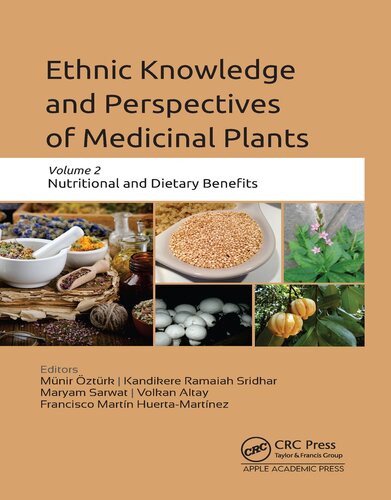
This new two-volume set, “Ethnic Knowledge and Perspectives of Medicinal Plants,” aims to share and preserve ethnic and traditional knowledge of herbal medicine and treatments while emphasizing the link between biodiversity, human nutrition, and food security.
Volume 1: Traditional Use of Medicinal Plants
Explores the benefits of medicinal plants in disease prevention, treatment, and management.
Discusses the traditional use of medicinal plants for cancer, liver conditions, COVID-19, and other ailments.
Examines the efficacy of Ayurvedic and Chinese herbal medicine, Indian traditional medicine, and other ethnic herbal practices.
Elaborates on the ethnomedicinal applications of over 100 wild mushrooms for medicinal and healthcare purposes.
Volume 2: Nutritional and Dietary Benefits of Medicinal Plants
Focuses on traditional medicinal plant use for nutritional and dietary benefits.
Encourages the preservation of biodiversity for healthy and sustainable diets.
Presents information on over 2200 vascular plant taxa from 127 families with potential use as edible food.
Explores the unique nutritional attributes of wild edible mushrooms in Southern India.
Examines various lichens as nutritional aids, medicine, flavoring agents, and spices.
Describes the antioxidant, nutritional, anti-aging, antiviral, anti-cancer, and anti-diabetic properties of fucoidans derived from seaweeds.
The authors highlight the importance of ethnic knowledge in healthcare and nutritive systems, considering factors such as lower income, disputes among ethnic groups, cultural attitudes, lack of socio-economic resources, and disease prevalence. These volumes serve as a comprehensive resource on the multifaceted aspects of medicinal plants, combining traditional knowledge with contemporary insights into their therapeutic and nutritional benefits, and advocate for the integration and safeguarding of biodiversity.


