
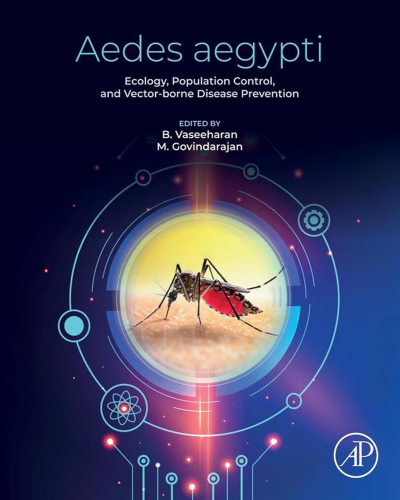
Aedes aegypti: Ecology, Population Control, and Prevention of Vector-Borne Diseases provides a comprehensive review of the Aedes aegypti mosquito, the notorious vector responsible for transmitting diseases such as dengue fever, Zika, and yellow fever. From its biology and ecological behavior to its microbiota and its role in global health crises, this book delves deeply into the complexities of this species. It is a valuable resource for researchers, public health officials, and anyone interested in understanding the challenges posed by this resilient mosquito and the innovative measures being taken to reduce its impact on human health.
In addition to a broad discussion of the mosquito’s role as a vector, this book emphasizes advanced population control strategies, including genetic modification, microbial interventions, and community-based efforts. It also addresses the global scale of vector-borne diseases and provides practical insights into prevention methods, surveillance systems, and the urgent need for interdisciplinary collaboration.
Key Features
Covers the Aedes aegypti mosquito, including its life cycle, biology, and ability to transmit diseases such as Zika virus and dengue fever.
Describes population control strategies to prevent vector-borne diseases, along with potential challenges in control methods.
Provides the latest and most up-to-date information for entomologists, ecologists, and biologists working in research centers and government agencies.